Santa Eulalia Mining District
28.5939° N, 105.8878° W · ± 10 km
Dolomite, Galena, Pyrrhotite, Rhodochrosite and Siderite from Chihuahua, Mexico, with photos of specimens from this locality.
Minerals found here
On the same specimen
1 specimen photo(s) from this locality show galena with sphalerite together. The pairing comes from the photographer's file name and label, so the relationship between the two minerals is not specified.
1 specimen photo(s) from this locality show galena with pyrrhotite together. The pairing comes from the photographer's file name and label, so the relationship between the two minerals is not specified.
1 specimen photo(s) from this locality show siderite with quartz together. The pairing comes from the photographer's file name and label, so the relationship between the two minerals is not specified.
1 specimen photo(s) from this locality show pyrrhotite with siderite together. The pairing comes from the photographer's file name and label, so the relationship between the two minerals is not specified.
1 specimen photo(s) from this locality show pyrrhotite with galena together. The pairing comes from the photographer's file name and label, so the relationship between the two minerals is not specified.
Dolomite at Santa Eulalia Mining District
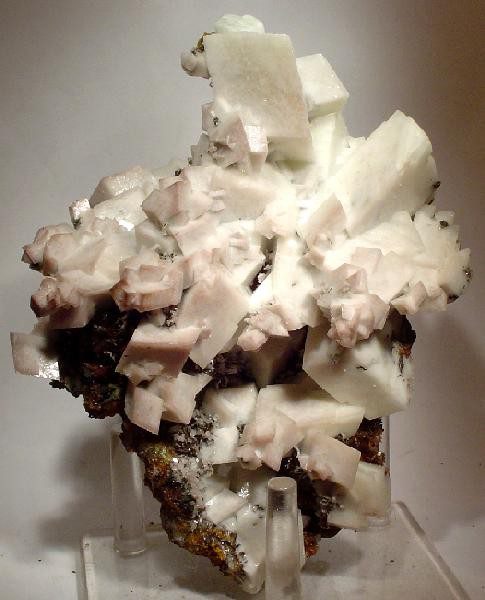
Photo: Robert M. Lavinsky · CC BY-SA 3.0 · Source

- Formula
- CaMg(CO₃)₂
- Morphology
- Rhombohedra
- Typical size
- Up to about 3.8 cm
- Color / luster
- White; highly lustrous
- Associated minerals
- Gossan (iron oxides)
Galena at Santa Eulalia Mining District
Major lead ore of a carbonate replacement district, with shallow oxidized zones of cerussite and anglesite
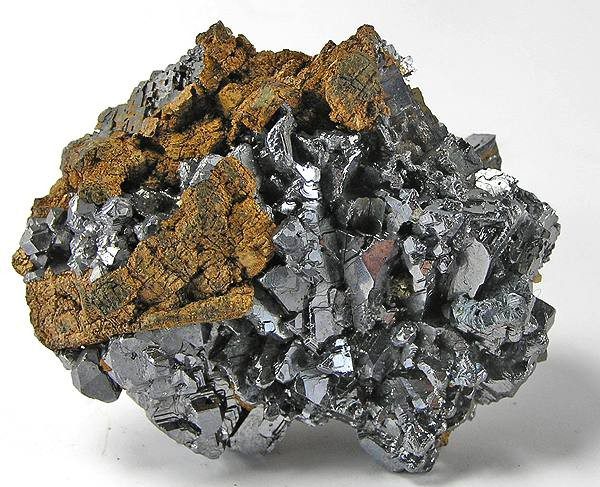
Photo: Robert M. Lavinsky · CC BY-SA 3.0 · Source

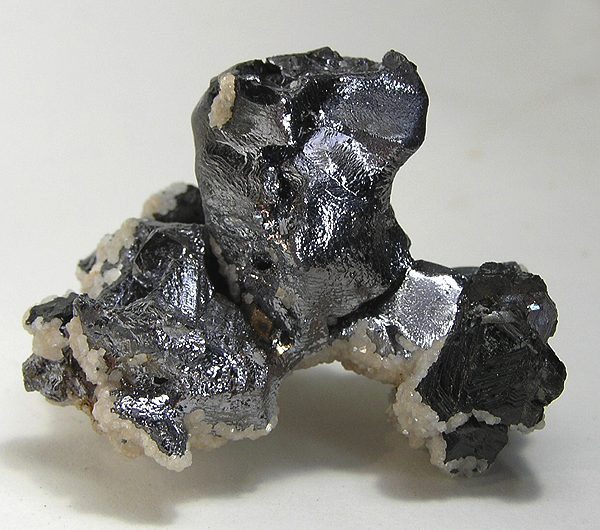
Photo: Robert M. Lavinsky · CC BY-SA 3.0 · Source

- Formula
- PbS
- Morphology
- Massive sulfide ore in manto and chimney orebodies
- Associated minerals
- Sphaleritepyrrhotitecerussiteanglesite
- Availability
- Unknown
- History
- Early mining (from 1703) worked near-surface oxidized ores of cerussite and anglesite carrying silver halides; selective flotation in the early 20th century allowed recovery of galena-rich sulfide ores, mined to depths beyond 1,200 m.
Pyrrhotite at Santa Eulalia Mining District
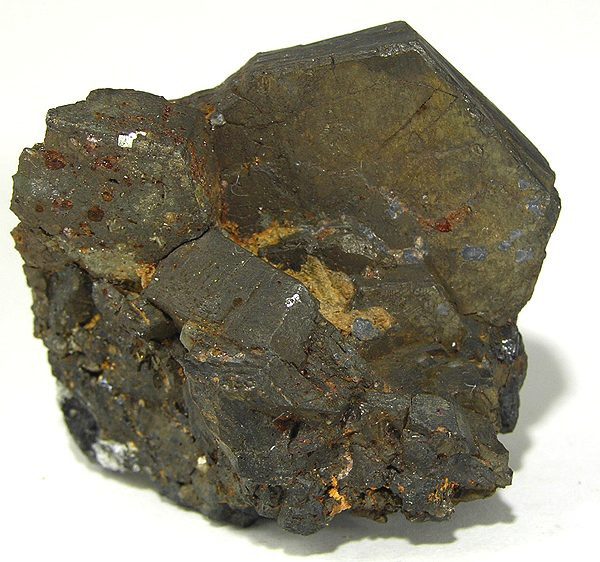
Photo: Robert M. Lavinsky · CC BY-SA 3.0 · Source

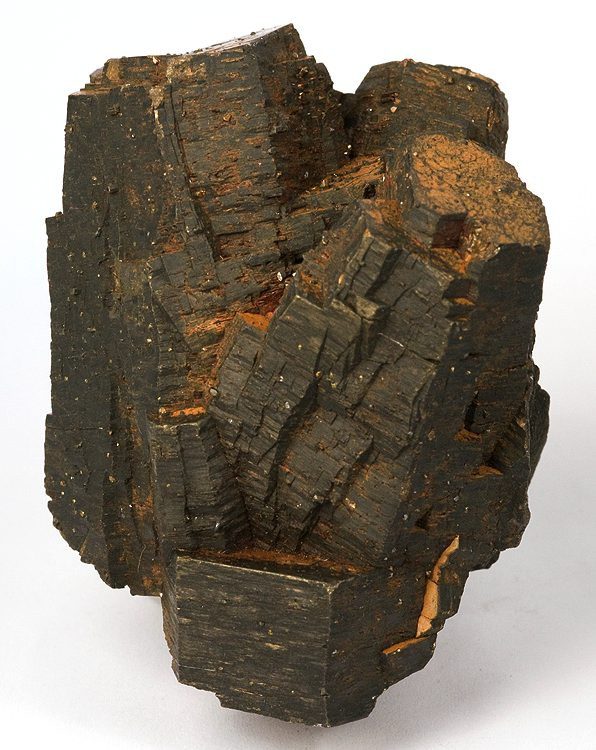
Photo: Robert M. Lavinsky · CC BY-SA 3.0 · Source

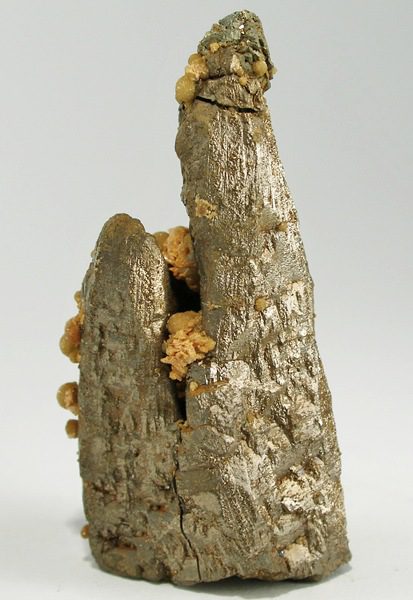
Photo: Robert M. Lavinsky · CC BY-SA 3.0 · Source

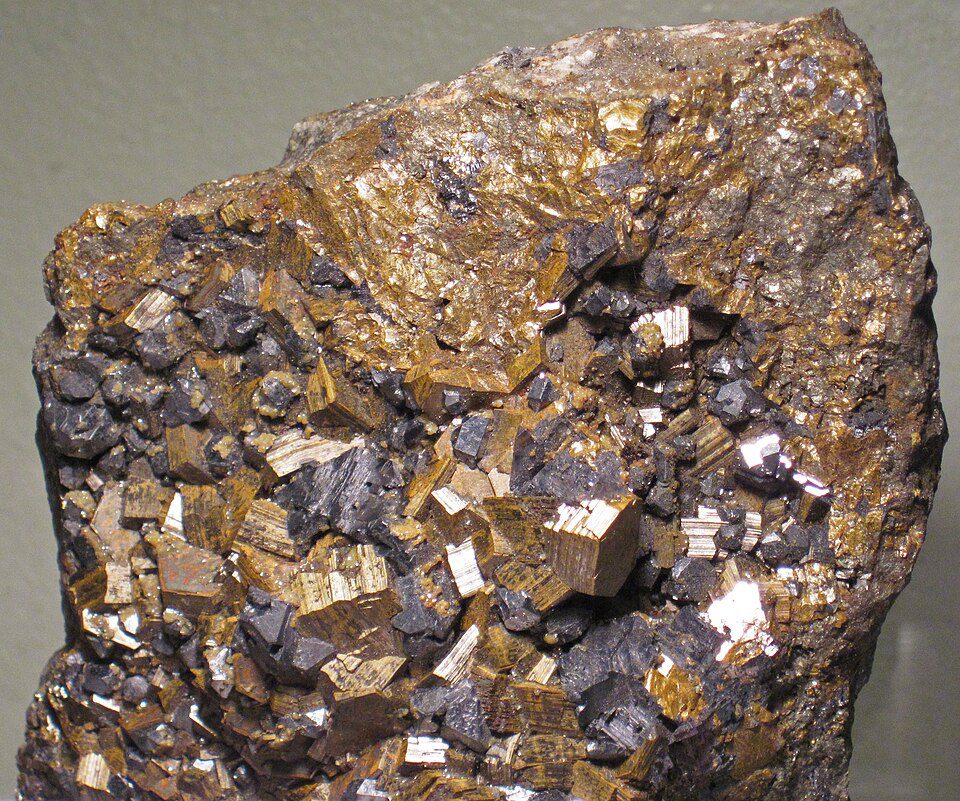
Photo: James St. John · CC BY 2.0 · Source

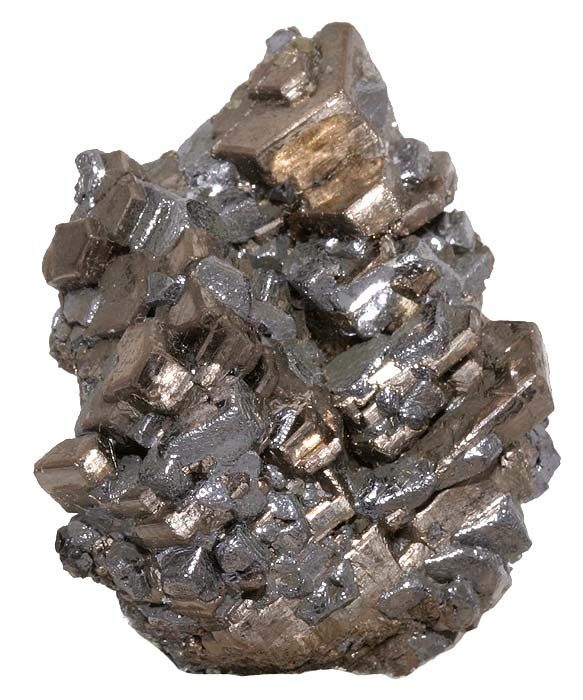
Photo: Robert M. Lavinsky · CC BY-SA 3.0 · Source

- Formula
- Fe₁₋ₓS (x = 0-0.17)
- Morphology
- Hexagonal tabular ('poker chip') crystals, tapering and columnar clusters
- Typical size
- Crystals up to about 3 cm
- Color / luster
- Bronze-brown to golden-brassy
- Associated minerals
- Galenasphaleritesideritequartz
- Availability
- Scarce
- History
- Classic specimens from finds of the 1940s-1970s; the Handbook names the Potosi and San Antonio mines and uses Santa Eulalia material for its reference X-ray powder pattern.
Rhodochrosite at Santa Eulalia Mining District
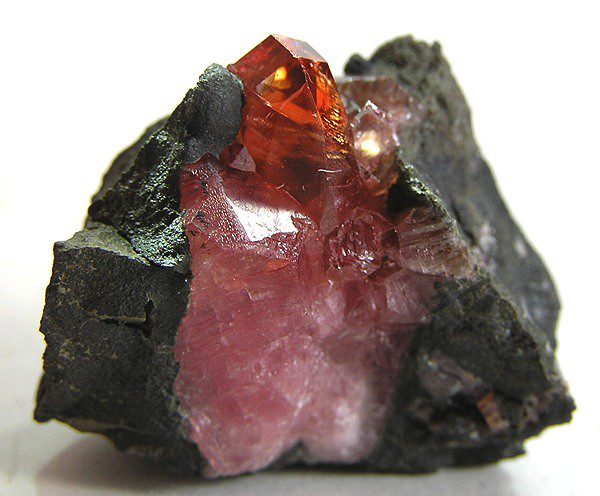
Photo: Robert M. Lavinsky · CC BY-SA 3.0 · Source

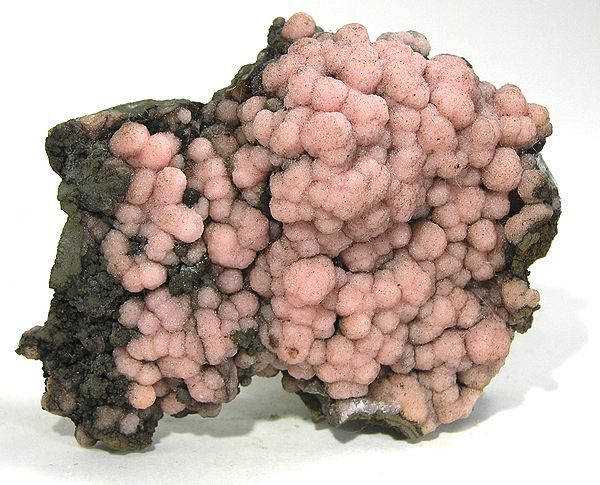
Photo: Robert M. Lavinsky · CC BY-SA 3.0 · Source

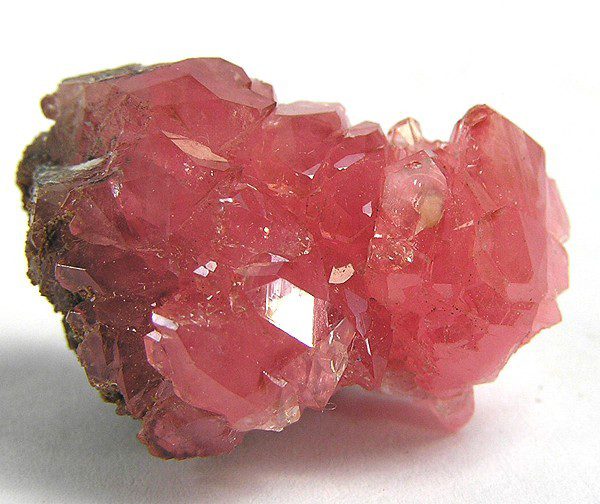
Photo: Robert M. Lavinsky · CC BY-SA 3.0 · Source

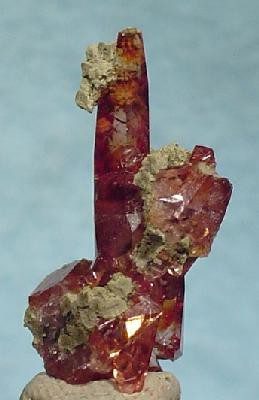
Photo: Robert M. Lavinsky · CC BY-SA 3.0 · Source

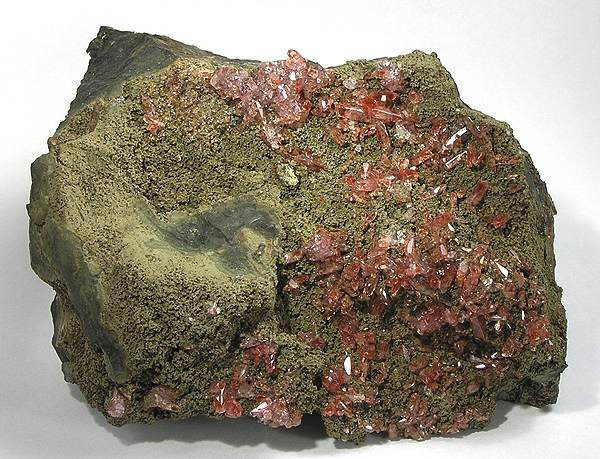
Photo: Robert M. Lavinsky · CC BY-SA 3.0 · Source

- Formula
- MnCO₃
- Morphology
- Pink crystal groups, small balls and dome-shaped aggregates
- Typical size
- Crystals to about 4 mm in groups; aggregates about 9 mm
- Color / luster
- Pale to salmon pink
- Associated minerals
- Tuff-like matrix
- Availability
- Scarce
- History
- Old classic Mexican material
Siderite at Santa Eulalia Mining District
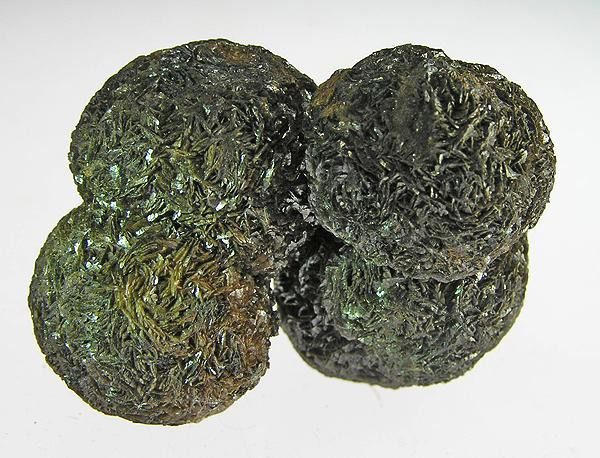
Photo: Robert M. Lavinsky · CC BY-SA 3.0 · Source

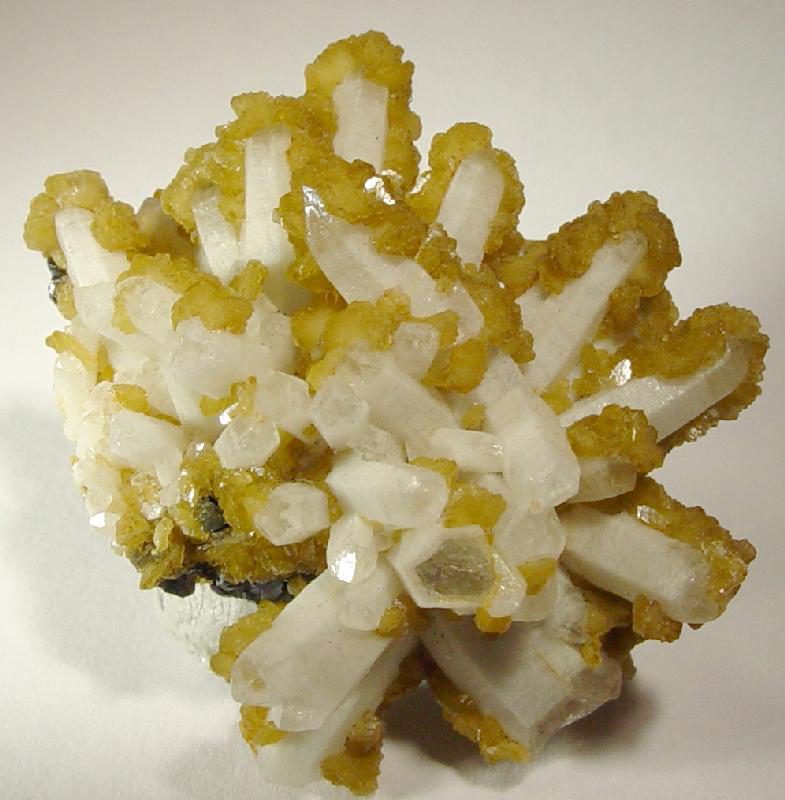
Photo: Robert M. Lavinsky · CC BY-SA 3.0 · Source

- Formula
- FeCO₃
- Morphology
- Intergrown balls with a surface of small blades; crystals coating quartz
- Typical size
- Specimens 3-5 cm
- Color / luster
- Brown-gray, sparkly
- Associated minerals
- Quartz
- Availability
- Scarce
Sources: SRC-612
Geology of the locality
- Setting
- Carbonate replacement deposit in a roughly 2,200 km long belt of such deposits; the West Camp has massive sulfide manto and chimney orebodies, the East Camp intrusion-cored skarns and peripheral mantos. Shallow oxidized ores held cerussite and anglesite.
- Type
- Skarn, Hydrothermal
- Host rock
- Limestone and dolostone
- Region
- Chihuahua
- Country
- Mexico
Coordinates are those of the village of Santa Eulalia (Wikipedia, SRC-065), i.e. district level only. Sources describe near-continuous mining since 1703 and intermittent production since the 1990s; current status not confirmed.
Sources
- SRC-064 · Article
Mineralogy of the Santa Eulalia Mining District, Chihuahua, MexicoMegaw, P.K.M. · 2018 · 39th Annual New Mexico Mineral Symposium, abstracts, pp. 22-24 - SRC-065 · Website
Santa Eulalia, ChihuahuaWikipedia - SRC-520 · Website
File:Dolomite-68000.jpg (Wikimedia Commons)Robert M. Lavinsky · Wikimedia Commons - SRC-066 · Website
Santa Eulalia (collector's newsletter post)Substack (richardigibson) - SRC-627 · Book
Handbook of Mineralogy - PyrrhotiteAnthony, J.W.; Bideaux, R.A.; Bladh, K.W.; Nichols, M.C. · 2005 · Mineral Data Publishing / Mineralogical Society of America - SRC-634 · Website
File:Pyrrhotite-162725.jpgRobert M. Lavinsky · Wikimedia Commons - SRC-397 · Database
Potosi Mine, Francisco Portillo, West Camp, Santa Eulalia Mining District, Chihuahua, Mexico (rhodochrosite photo page)Mindat.org contributors · Mindat.org / Hudson Institute of Mineralogy - SRC-404 · Website
Wikimedia Commons: Rhodochrosite-165190.jpg (Santa Eulalia)Lavinsky, R.M. · Wikimedia Commons - SRC-612 · Website
File:Siderite-121981.jpgRobert M. Lavinsky · Wikimedia Commons
Draft data from the Provenite workbook. Check entries against the cited sources before relying on them. Photos are open-licence images from Wikimedia Commons; the author and licence are given with each photo.