Butte Mining District
46.0200° N, 112.5100° W · ± 10 km
Bornite, Chalcopyrite, Enargite, Pyrite, Rhodochrosite and Sphalerite from Montana, United States, with photos of specimens from this locality.
Minerals found here
On the same specimen
2 specimen photo(s) from this locality show sphalerite with enargite together. The pairing comes from the photographer's file name and label, so the relationship between the two minerals is not specified.
2 specimen photo(s) from this locality show sphalerite with bornite together. The pairing comes from the photographer's file name and label, so the relationship between the two minerals is not specified.
1 specimen photo(s) from this locality show enargite with quartz together. The pairing comes from the photographer's file name and label, so the relationship between the two minerals is not specified.
1 specimen photo(s) from this locality show bornite with pyrite together. The pairing comes from the photographer's file name and label, so the relationship between the two minerals is not specified.
1 specimen photo(s) from this locality show bornite with quartz together. The pairing comes from the photographer's file name and label, so the relationship between the two minerals is not specified.
1 specimen photo(s) from this locality show rhodochrosite with quartz together. The pairing comes from the photographer's file name and label, so the relationship between the two minerals is not specified.
Bornite at Butte Mining District
Butte is cited by the Handbook of Mineralogy as an important locality for fine bornite crystals.
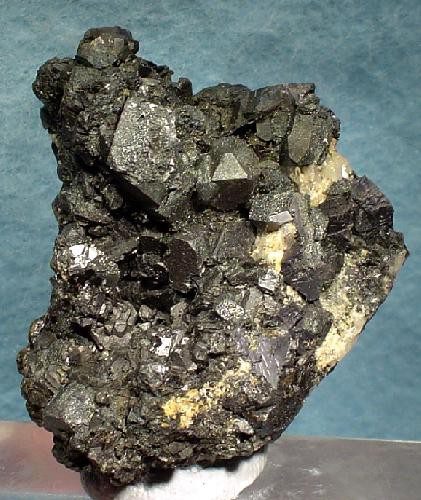
Photo: Robert M. Lavinsky · CC BY-SA 3.0 · Source

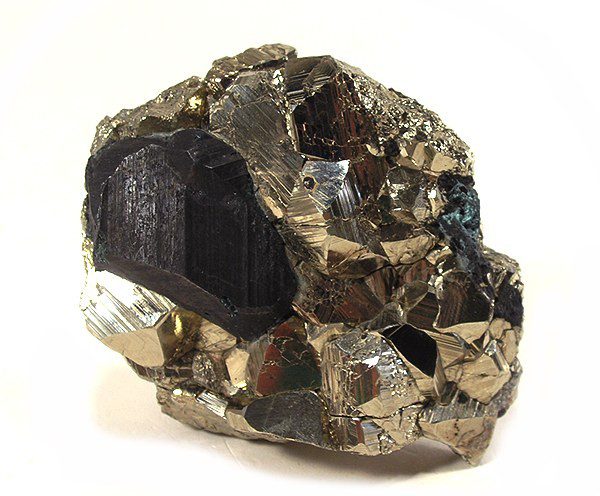
Photo: Robert M. Lavinsky · CC BY-SA 3.0 · Source

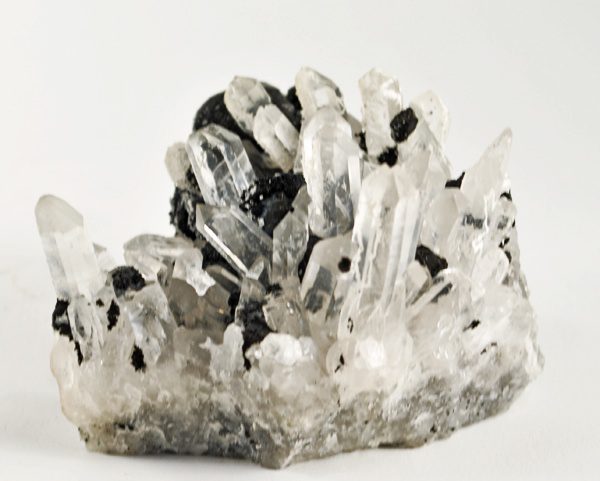
Photo: Robert M. Lavinsky · CC BY-SA 3.0 · Source

- Formula
- Cu₅FeS₄
- Morphology
- Sharp dodecahedral to pseudocubic crystals in clusters, on quartz or with pyrite
- Typical size
- Crystals typically 1-1.5 cm, rarely about 3 cm
- Color / luster
- Steel-gray to charcoal-gray, lustrous to lightly iridescent
- Surface features
- Crystal faces often look partly melted or rounded
- Availability
- Scarce
- History
- Old-time specimens from the underground Butte mines
Chalcopyrite at Butte Mining District
Ore-grade chalcopyrite from a giant porphyry-plus-vein system in granite, dominant in the deep pyrite-chalcopyrite-bornite-tennantite zone and replaced by bornite in places.
- Formula
- CuFeS₂
- Morphology
- Disseminated grains replacing mafic minerals, and fill in quartz veins and breccia matrix (porphyry stage); vein fill in the Main Stage veins
- Associated minerals
- Pyritebornitetennantitechalcocitesphaleritegalenamagnetitequartz
- History
- Placer gold mining began in 1864 and copper became central after the early 1880s; underground Main Stage vein mining continued until 1955, when the Berkeley Pit opened, and the Continental porphyry pit followed in 1980.
Enargite at Butte Mining District
Splendent black striated enargite prisms from Butte are the classic North American enargite and among the best known for the species.
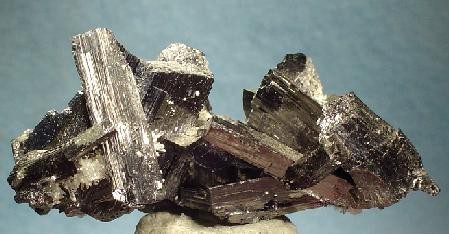
Photo: Robert M. Lavinsky · CC BY-SA 3.0 · Source

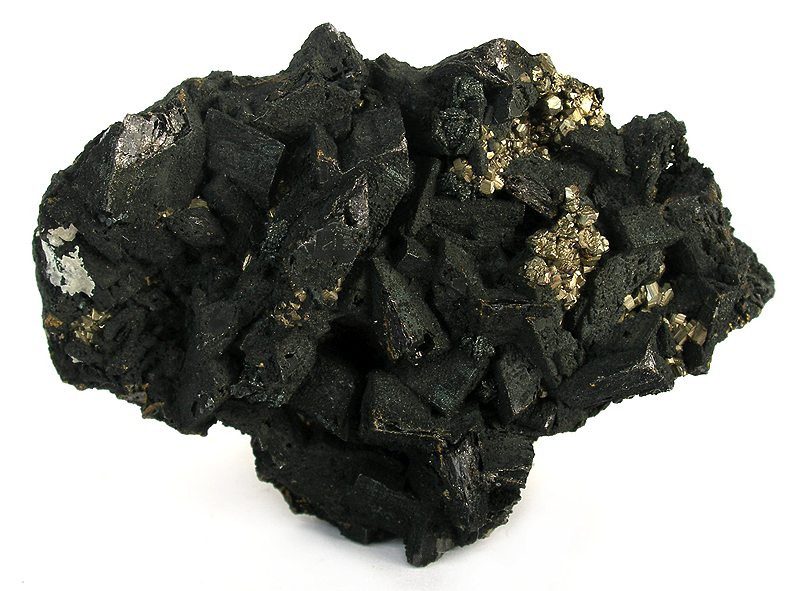
Photo: Robert M. Lavinsky · CC BY-SA 3.0 · Source

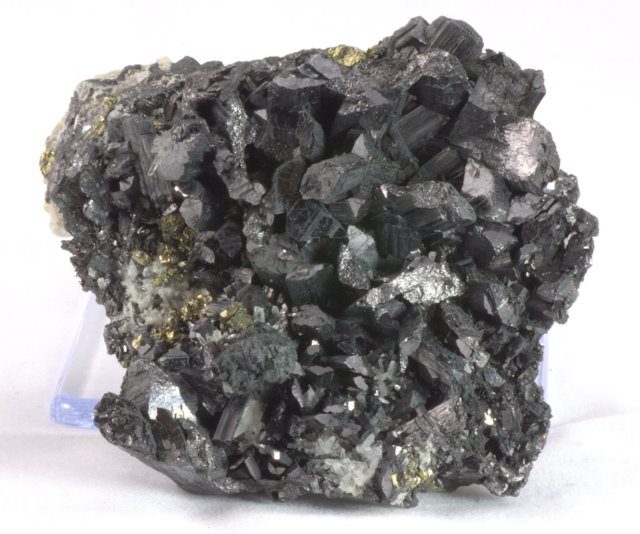
Photo: Robert M. Lavinsky · CC BY-SA 3.0 · Source

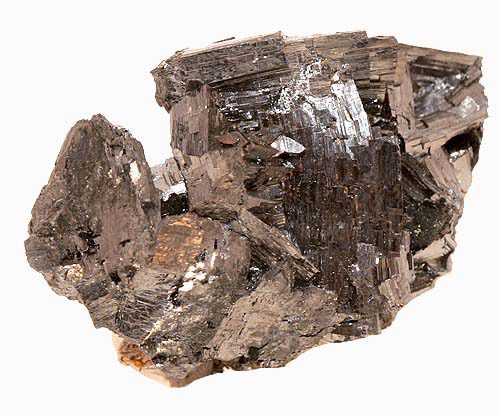
Photo: Robert M. Lavinsky · CC BY-SA 3.0 · Source

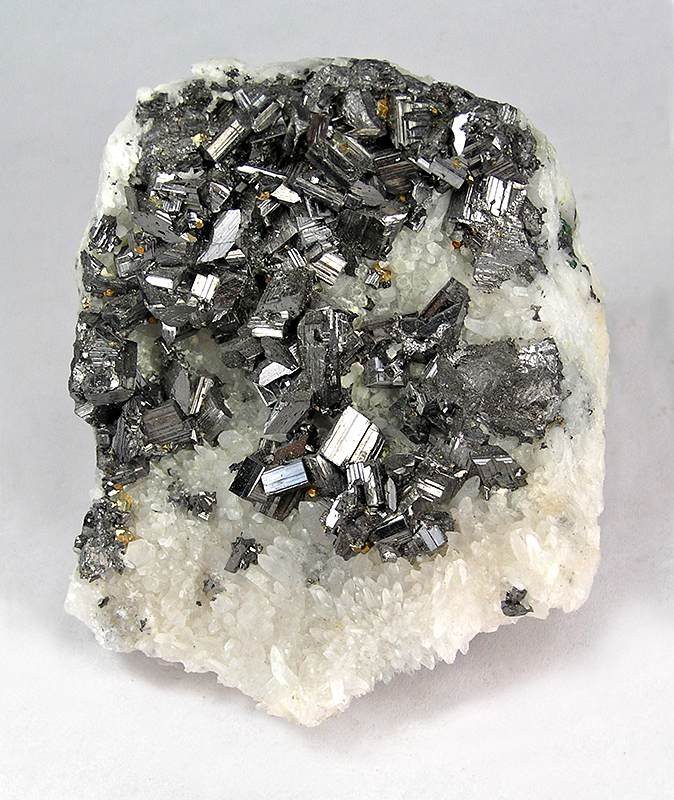
Photo: Robert M. Lavinsky · CC BY-SA 3.0 · Source

- Formula
- Cu₃AsS₄
- Morphology
- Sharp, striated prismatic crystals in clusters, sometimes doubly terminated
- Typical size
- Crystals commonly 0.7-2 cm; clusters up to about 10 cm
- Color / luster
- Jet-black to battleship-gray with splendent metallic luster
- Surface features
- Prism faces striated
- Availability
- Scarce
- History
- Old-time specimens from the underground Butte mines; the X-ray reference pattern of enargite in the Handbook of Mineralogy is from Butte.
Pyrite at Butte Mining District
Classic old American pyrite from a porphyry copper district, with sharp modified octahedra often on quartz-lined matrix.
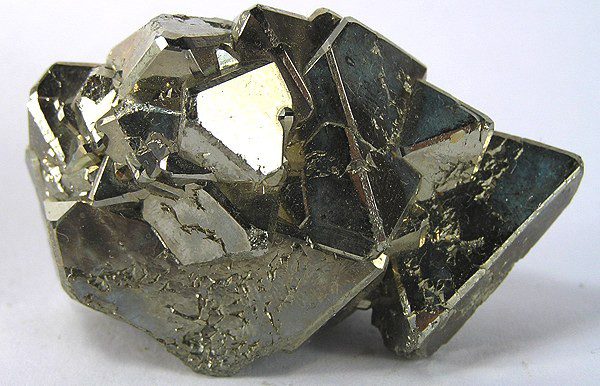
Photo: Robert M. Lavinsky · CC BY-SA 3.0 · Source

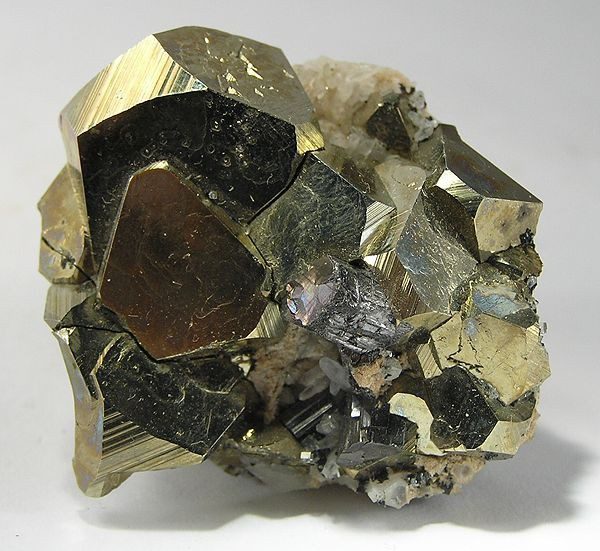
Photo: Robert M. Lavinsky · CC BY-SA 3.0 · Source

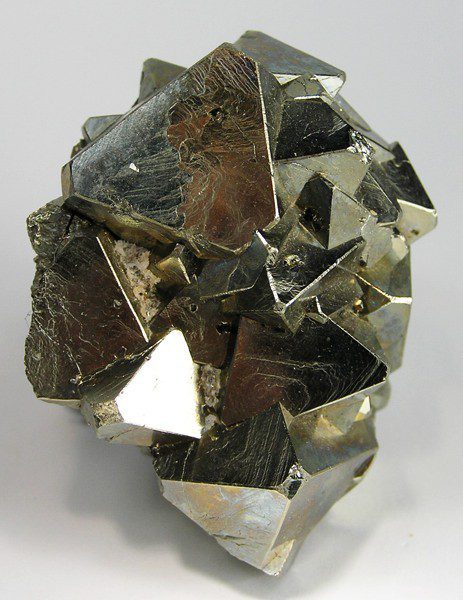
Photo: Robert M. Lavinsky · CC BY-SA 3.0 · Source

- Formula
- FeS₂
- Morphology
- Octahedra and modified octahedra; pyritohedral clusters
- Typical size
- Crystals up to about 3 cm
- Color / luster
- Brass-yellow with mirror-bright metallic luster
- Associated minerals
- Quartzchalcopyrite
- History
- Specimens in collections date from the mid-twentieth century and earlier.
Rhodochrosite at Butte Mining District
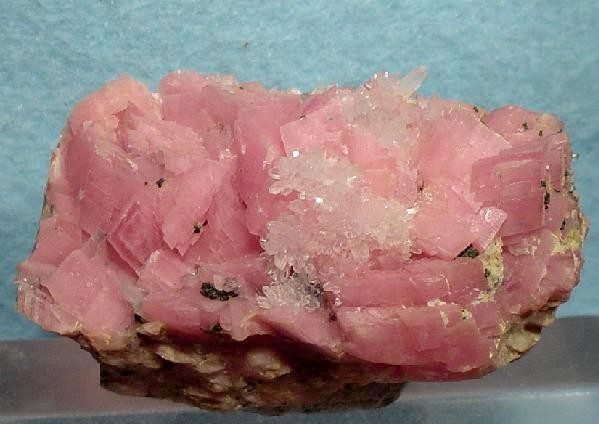
Photo: Robert M. Lavinsky · CC BY-SA 3.0 · Source

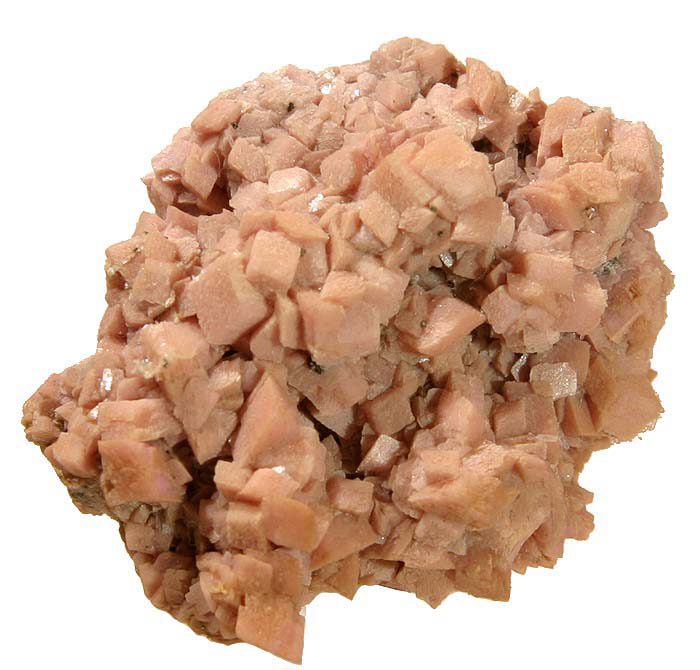
Photo: Robert M. Lavinsky · CC BY-SA 3.0 · Source

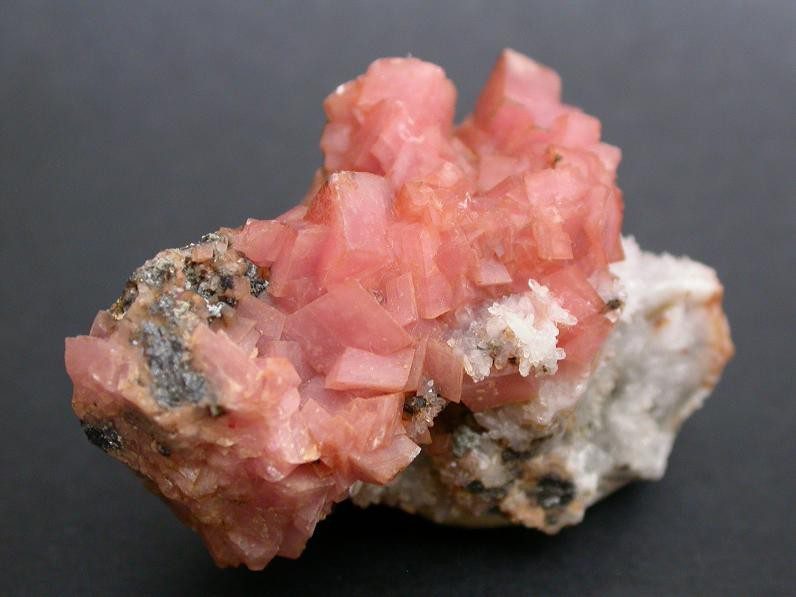
Photo: Leon Hupperichs · CC BY-SA 3.0 · Source

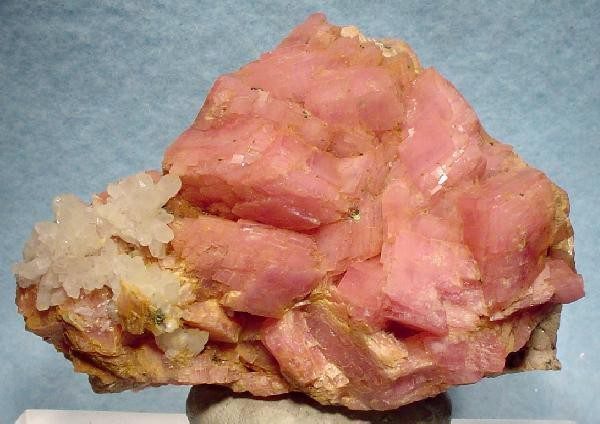
Photo: Robert M. Lavinsky · CC BY-SA 3.0 · Source

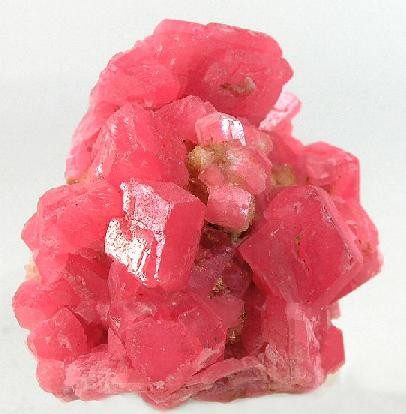
Photo: Robert M. Lavinsky · CC BY-SA 3.0 · Source

- Formula
- MnCO₃
- Morphology
- Sharp rhombs on massive rhodochrosite, with needle quartz and sulfides
- Typical size
- Rhombs to about 2.2 cm
- Color / luster
- Pastel-pink, salmon to rose-red; silky to lustrous
- Associated minerals
- Quartzsulfides
- Availability
- Scarce
Sphalerite at Butte Mining District
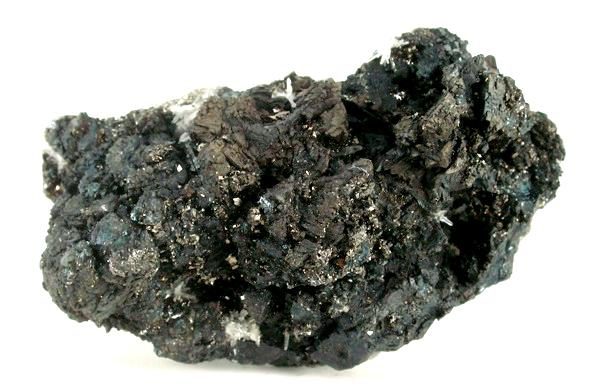
Photo: Robert M. Lavinsky · CC BY-SA 3.0 · Source

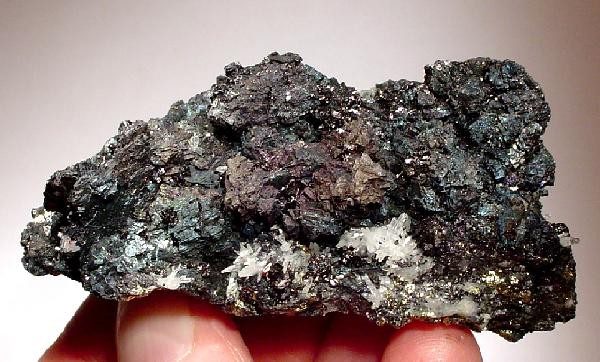
Photo: Robert M. Lavinsky · CC BY-SA 3.0 · Source

- Formula
- (Zn,Fe)S
- Morphology
- Platy to mound-like crystal aggregates
- Color / luster
- Black, lustrous, often with iridescent bornite coating
- Availability
- Unknown
Geology of the locality
- Setting
- Porphyry copper-molybdenum system (about 66-61 Ma) overprinted by younger polymetallic Main Stage veins, in the Late Cretaceous Boulder Batholith.
- Type
- Hydrothermal
- Host rock
- Butte Granite (Boulder Batholith)
- Region
- Montana
- Country
- United States
District-level point taken from the Berkeley Pit coordinates on Wikipedia (SRC-036). The Berkeley Pit closed in 1982 (SRC-036); the Continental porphyry pit has been run by Montana Resources since 1986 according to SRC-035, and current status was not checked.
Sources
- SRC-035 · Article
Ore Deposits of Butte, MontanaReed, M.; Dilles, J. · Montana Bureau of Mines and Geology (geology volume chapter) - SRC-036 · Website
Berkeley Pit (Wikipedia)Wikipedia - SRC-664 · Book
Handbook of Mineralogy - BorniteAnthony, J.W.; Bideaux, R.A.; Bladh, K.W.; Nichols, M.C. · 2005 · Mineral Data Publishing / Mineralogical Society of America - SRC-677 · Website
File:Bornite-162973.jpg; File:Bornite-Pyrite-66363.jpg; File:Bornite-Quartz-285100.jpg (Wikimedia Commons)Robert M. Lavinsky · Wikimedia Commons - SRC-642 · Book
Handbook of Mineralogy - EnargiteAnthony, J.W.; Bideaux, R.A.; Bladh, K.W.; Nichols, M.C. · 2005 · Mineral Data Publishing / Mineralogical Society of America - SRC-652 · Website
File:Enargite-118194.jpg; File:Enargite-280299.jpg; File:Enargite-Quartz-173234.jpg (Wikimedia Commons)Robert M. Lavinsky · Wikimedia Commons - SRC-405 · Website
Pyrite photographs and file descriptions on Wikimedia CommonsRobert M. Lavinsky (photographer; file descriptions) · Wikimedia Commons - SRC-406 · Article
Porphyry Cu-Mo stockwork formation by dynamic, transient hydrothermal pulses: Mineralogic insights from the deposit at Butte, MontanaMercer, C.N.; Reed, M.H. · 2013 · Economic Geology - SRC-891 · Website
File:Rhodochrosite-176305.jpgRobert M. Lavinsky · Wikimedia Commons (dealer label) - SRC-892 · Website
File:Rhodochrosite-41066.jpgRobert M. Lavinsky · Wikimedia Commons (dealer label) - SRC-893 · Website
File:Rhodochrosite-Quartz-119958.jpgRobert M. Lavinsky · Wikimedia Commons (dealer label) - SRC-374 · Article
Critical Minerals in Zinc Ore: An Update on Earth Mapping Resources Initiative Research in the Boulder Batholith Region, Montana (USGS Fact Sheet 2026-3064)Gaynor, S.P.; Anderson, E.D.; Eastman, K.A.; Lund, K.; Gammons, C.; Lowers, H.; Thompson, J. · 2026 · U.S. Geological Survey - SRC-385 · Website
Wikimedia Commons file page Sphalerite-Enargite-Bornite-261723.jpgRobert M. Lavinsky · Wikimedia Commons
Draft data from the Provenite workbook. Check entries against the cited sources before relying on them. Photos are open-licence images from Wikimedia Commons; the author and licence are given with each photo.